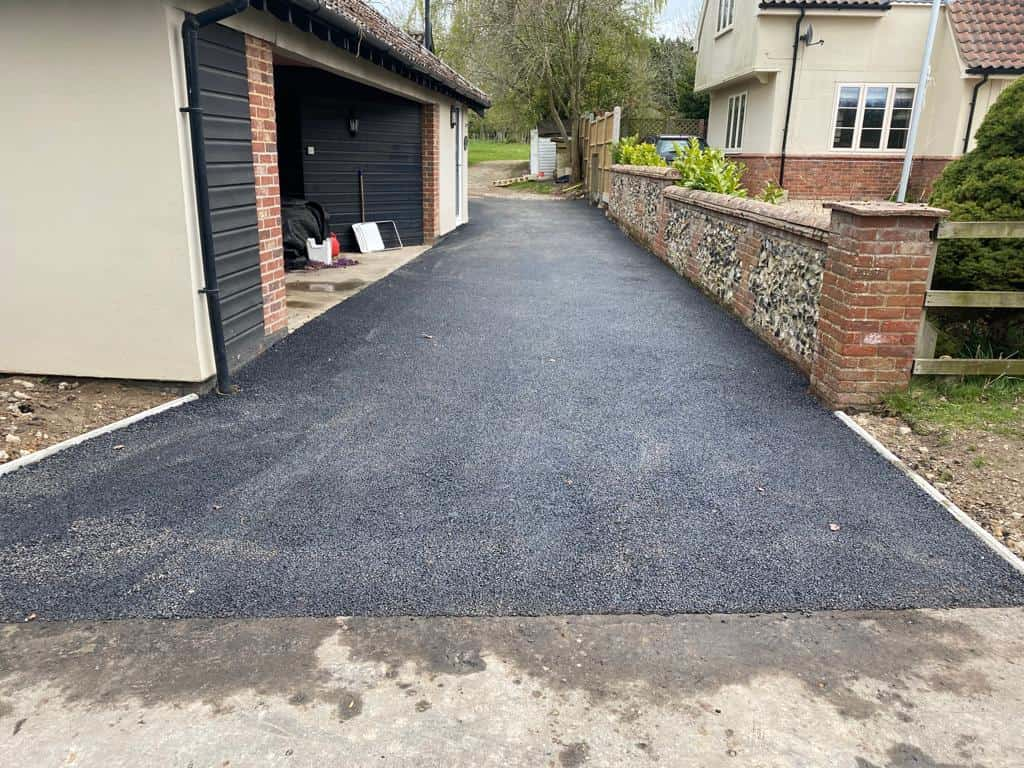
When Should a Tar and Chip Car Park Be Resurfaced?
Tar and chip surfacing is a practical option for car parks that need a durable, functional surface with a natural stone finish. However, like any outdoor surface exposed to regular vehicle movements and changing weather conditions, it will gradually show signs of wear. Knowing when resurfacing is needed can help property owners address deterioration before it affects the usability and condition of the car park.
For businesses and property owners in Rye, East Sussex, recognising early warning signs is particularly important when a car park experiences frequent vehicle movements or prolonged exposure to the elements. Rye Driveways & Surfacing provides professional surfacing services to help maintain safe, practical and presentable outdoor areas.
Signs That Your Tar and Chip Car Park Needs Resurfacing
Tar and chip surfaces are made by applying a binding layer before covering it with stone aggregate. Over time, vehicle traffic, water and general weather exposure can weaken the bond between the aggregate and the underlying surface. Several visible changes can indicate that resurfacing should be considered.
Widespread Loss of Stone Chippings
Some loose aggregate can occur as a tar and chip surface settles, particularly after installation. However, widespread or continuing loss of stone chippings may indicate that the binding layer is no longer holding the aggregate effectively.
When large areas begin to look thin, uneven or noticeably different in texture, the surface may be approaching the point where repairs are no longer sufficient. Resurfacing can restore a more consistent finish and provide a fresh protective layer.
Cracking Across the Surface
Small cracks can develop as a car park ages, but larger cracks or networks of interconnected cracking deserve closer attention. These may result from repeated vehicle loading, changes in ground conditions or deterioration within the existing surface.
If cracks are spreading across several sections, simply filling individual gaps may not provide a lasting solution. A professional inspection can establish whether the damage is limited to the surface layer or whether the underlying foundation also requires attention.
Potholes and Depressions
Potholes are a clear indication that a car park surface has deteriorated. They can develop when water enters cracks or weakened areas, affecting the material beneath the surface. Repeated vehicle movements can then cause the damaged section to break apart.
Depressions can also develop where the foundation has settled or become unstable. These areas may collect rainwater and create further deterioration. Where potholes and uneven sections are widespread, resurfacing may be more appropriate than repeated localised repairs.
Standing Water and Drainage Problems
Water should drain away from a properly constructed car park rather than remaining in persistent pools. Standing water may indicate that the surface has become uneven, that drainage arrangements are inadequate or that sections have started to settle.
In Rye, East Sussex, exposure to regular rainfall makes effective drainage an important consideration for maintaining outdoor surfaces. If water repeatedly collects in the same locations, the cause should be identified before a new surface is installed.
Uneven Wear in Parking and Turning Areas
Car parks rarely experience equal traffic across every section. Entrances, exits, turning points and frequently used parking spaces often receive greater pressure from vehicle movements.
Over time, these high-use areas may show aggregate loss, surface displacement or visible deterioration earlier than less frequently used sections. If the difference in condition becomes extensive, resurfacing can help create a more uniform and functional finish.
Factors That Influence When Resurfacing Is Needed
There is no single timeframe that applies to every tar and chip car park. The condition of the surface depends on several factors, including how it was originally installed and the demands placed upon it.
Frequency and Type of Vehicle Traffic
A car park used by a small number of cars will generally experience different levels of wear from one regularly used by delivery vehicles, vans or heavier traffic. Frequent braking, turning and manoeuvring can place additional stress on the aggregate and binding layer.
Understanding how the car park is used helps determine whether the existing surface remains suitable or needs more extensive attention.
Quality of the Original Installation
The condition of the underlying foundation, the choice of aggregate and the application of the binding material all influence long-term performance. If the original preparation was inadequate, deterioration may appear sooner than expected.
Before resurfacing, the existing construction should be assessed to establish whether the base is stable enough to support a new finish.
Weather Exposure and Water Management
Outdoor car parks are continually exposed to rain, temperature changes and seasonal weather. Poor drainage can accelerate deterioration by allowing water to collect on the surface or penetrate weakened areas.
Maintaining suitable falls and drainage arrangements is therefore essential when planning resurfacing work.
Why Professional Assessment Matters
Not every damaged tar and chip car park requires complete resurfacing. Isolated defects may be addressed through targeted repairs, while widespread aggregate loss, cracking or unevenness may indicate that a more comprehensive solution is needed.
Rye Driveways & Surfacing can assess the existing condition of a car park, identify areas of concern and recommend suitable surfacing work. This helps ensure that the chosen approach addresses the underlying cause of deterioration rather than simply covering visible defects.
Conclusion
A tar and chip car park should be considered for resurfacing when it develops widespread stone loss, cracking, potholes, drainage problems or uneven wear. Addressing these signs early can help prevent further deterioration and maintain a practical, consistent surface for regular use.
For property owners in Rye, East Sussex, Rye Driveways & Surfacing can provide professional guidance on the condition of an existing car park and the most suitable resurfacing approach. Contact the team to discuss your requirements and arrange an assessment.
Call us on: 01797 334 498
Click here to find out more about Rye Driveways & Surfacing
Click here to complete our contact form and see how we can help with your driveways.